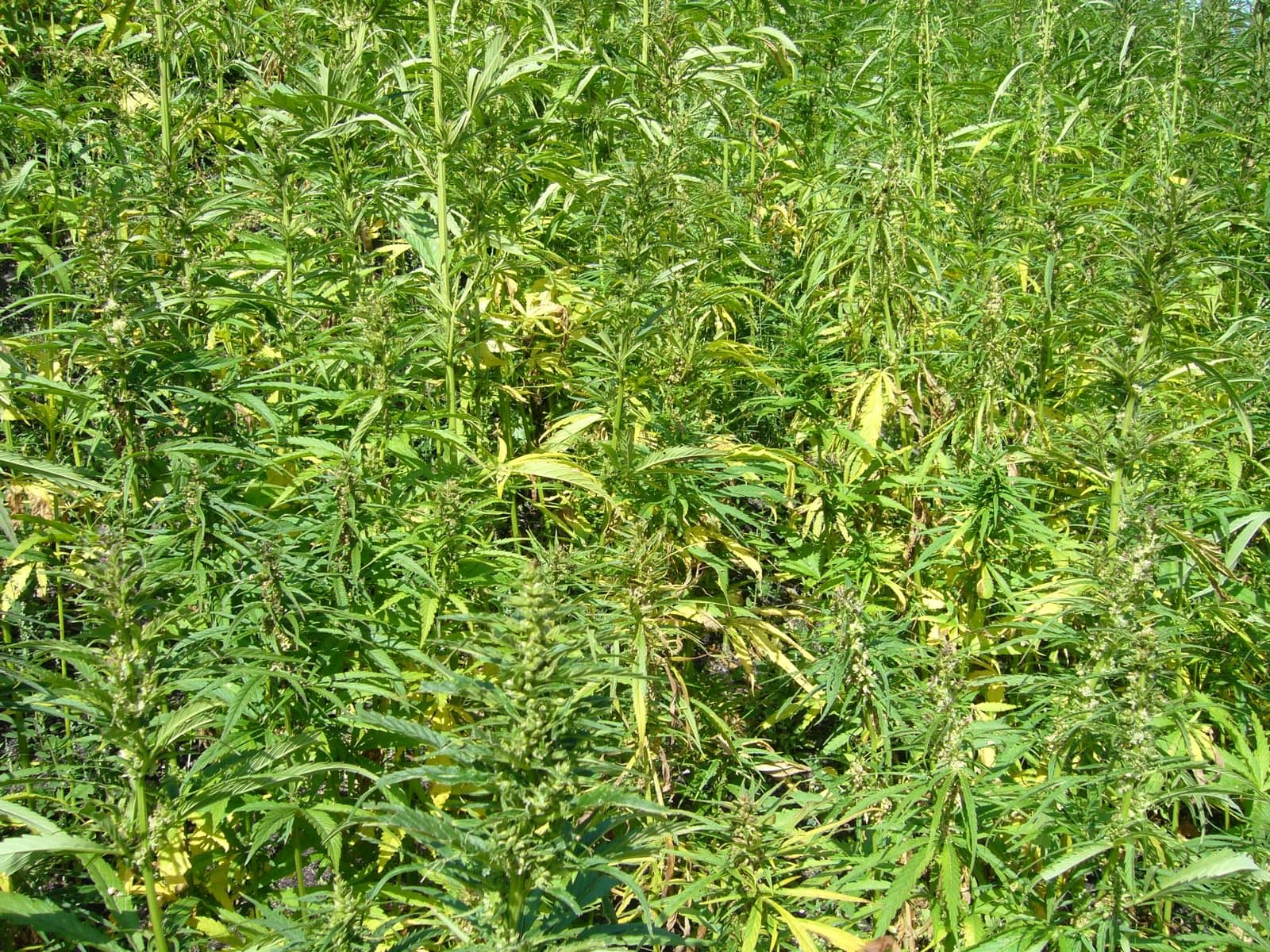
Argentina has introduced a new regulatory regime for horticultural hemp, covering hemp flowers, biomass and other non-psychoactive plant material used to make medicinal, nutritional, cosmetic, veterinary and industrial products.
Resolution No. 69/2026 of the Regulatory Agency for the Hemp and Medicinal Cannabis Industry (ARICCAME), published in the Official Gazette on September 3, 2026, creates four license categories and sets rules on cultivation, processing, traceability, domestic sales and international trade. It takes effect 30 administrative business days after publication.
The new rules complement Law No. 27,669 and its implementing Decree No. 405/2023, and reach a segment of the industry that had no specific operational licensing until now. ARICCAME Resolution No. 1/2024 already covered industrial hemp grown for seed, grain and fiber; Resolution 69/2026 turns to horticultural hemp and the use of its flowers and biomass.
What counts as hemp in Argentina?
Argentine law separates hemp from psychoactive cannabis by its tetrahydrocannabinol (THC) content. Decree No. 405/2023 defines industrial or horticultural hemp as Cannabis sativa L., including its parts, seeds and derivatives, containing no more than 1% THC and intended for industrial or horticultural use. Above that threshold, the material is treated as psychoactive cannabis.
Resolution 69/2026 leaves the threshold untouched. What it does is set the conditions under which businesses may commercially handle non-psychoactive hemp flowers and biomass.
Four new licenses for horticultural hemp
The regime creates four categories: (i) agricultural production of horticultural hemp; (ii) manufacture of hemp-derived products; (iii) related services; and (iv) foreign trade.
Different businesses can therefore sit at different points of the value chain. One company may grow hemp and produce biomass, another may process it, others may provide storage or conditioning services or handle international trade. A business whose activities span more than one category needs each corresponding license.
Growing and selling hemp flowers and biomass
The agricultural production license covers cultivation, harvesting, drying, conditioning, classification, selection, packaging, storage and sale of hemp plant material, dried material included. Domestic sales, however, are restricted to transactions with other ARICCAME licensees.
This is worth pausing on: Resolution 69/2026 does not authorize retail sales of hemp flower to consumers. It expressly prohibits direct sales to the public and retail sales of the plant material covered by the regime. Flowers and biomass must stay within the regulated chain until they are processed, transferred to another authorized operator, used for an authorized purpose or exported.
What Argentina has created is a regulated B2B market for horticultural hemp, not a consumer market for CBD or low-THC flower.
CBD and other hemp-derived products
The second license lets operators receive, store and incorporate hemp plant material into manufacturing processes for derived products: medicinal, food and nutritional, cosmetic, veterinary and industrial, among others.
An ARICCAME license does not replace the approvals that apply to the finished product. Depending on the product, Argentina's National Administration of Drugs, Foods and Medical Devices (ANMAT), the National Food Safety and Quality Service (SENASA) or other federal, provincial or local authorities may need to intervene. A license to manufacture hemp derivatives is not a general permission to market any CBD product in Argentina; each product must also comply with the sanitary and commercial rules of its own category.
Where ARICCAME's jurisdiction ends
The Resolution draws a line between plant material and derived products. ARICCAME's regulated chain covers hemp plant material until its transformation into a derived product is actually complete. From that point on, distribution, sale and foreign trade no longer require an ARICCAME authorization and are governed by the rules applicable to the finished product.
A derived product requires a completed transformation resulting in a stable, identifiable good capable of commercial specification. The Resolution says expressly that dried plant material does not become a derived product merely because it was packaged or divided into smaller quantities. The distinction matters when structuring CBD extraction, manufacturing, distribution and import or export operations.
Importing and exporting hemp
The foreign trade license allows operators, among other things, to buy dried hemp plant material in Argentina for export and to conduct international transactions involving material covered by the regime, always subject to customs procedures and the intervention of the competent authorities.
Imports and exports of finished derived products do not require this license. Once the derivative exists, cross-border trade depends on the regulatory classification of that product. The split may help international groups structure chains in which Argentina serves as the jurisdiction for biomass production, cannabinoid processing or ingredient manufacturing.
What happens if hemp tests above 1% THC?
The legal limit is still 1%. The novelty is an Administrative Margin for test results above 1% and up to 2.5% THC on a dry-weight basis. A result within that margin does not make the material compliant hemp, and it does not move the legal threshold; what it prevents is a reading slightly above 1% being treated automatically as a definitive violation.
In those cases the batch is placed under preventive hold, and ARICCAME may order confirmatory testing, new sampling and an investigation into the cause of the result. The Agency may weigh the genetics used, production conditions, sample integrity and measurement uncertainty, among other factors. Above 2.5%, the Resolution presumes, unless sufficient technical evidence shows otherwise, a serious regulatory breach.
Growers have reason to care about this mechanism: THC content can drift with agronomic and environmental factors even when genetics intended for compliant hemp are used.
Traceability and compliance
Licensed operators must keep records that allow the origin, production history, movements, testing and destination of each batch to be reconstructed, and must retain the documentation through the license term and for five years after it expires.
Further requirements vary by license: corporate documentation, adequate facilities, operating procedures, a technical officer where applicable, criminal-record certificates, production plans and controls over the hemp material received and processed. Licenses run for five years, subject to continued compliance and ARICCAME's validation procedures.
What the new rules mean for Argentina's hemp industry
Resolution 69/2026 does not legalize hemp for the first time; Law No. 27,669 and Decree No. 405/2023 already did that work. Its importance lies elsewhere. Until now, the operational regime centered on industrial hemp for seed, grain and fiber; the new rules finally give flowers, inflorescences and biomass a regulatory pathway of their own and let them enter regulated supply chains for CBD and other non-psychoactive derivatives.
For producers, processors and investors, that opens higher-value segments than traditional industrial hemp: horticultural production, extraction and processing, cosmetics, veterinary products and international trade.
The opportunity still has to be read against the full regulatory chain. An ARICCAME license is one piece of the analysis: corporate structuring, product-specific approvals, provincial and municipal requirements, traceability obligations and foreign-trade rules can matter just as much to whether a hemp or CBD project works in Argentina.